Frequently asked questions
Answers to the questions parents and players most often ask before the first individual training session.
General questions
In most cases, individual training makes sense from around 7–8 years old. At this age, children can already take instructions on board, focus on details and gradually build proper football technique. Every child develops differently, so it is always important to consider their individual characteristics.
Individual sessions work for almost everyone: from beginners taking their first steps to experienced players competing at a high level. The main goal is not to replace team training, but to help the player develop the qualities that are hard to work on properly in a large group.
The first session is about getting to know each other and assessing the player's current level. During the session, the coach looks at technical ability, coordination, playing habits, strengths and areas for growth. It is also important to discuss goals: what is going well, what the player wants to work on and what they want to achieve. This helps shape the direction for further work.
A session usually lasts around 60 minutes. That is enough time for focused work while keeping the player's concentration and a good training rhythm.
About the training process
Team and individual training serve different purposes. In team sessions, the coach prepares the whole squad for matches: tactics, combinations between players, pressing, set pieces and other game-related aspects. An individual session is fully dedicated to one player. There is time to work in detail on technique, game intelligence, decision-making and other skills that are difficult to develop enough in a large group.
The programme is always tailored to the player. Depending on the goals, work can focus on first touch, ball control, passing, dribbling, 1v1 play, finishing, heading, defending, set pieces, speed of decision-making and other elements of modern football.
For most players, 1–2 individual sessions per week alongside team training works well. In some cases — for example when preparing for a trial, returning from injury or during the off-season — the number can increase to 3–4 per week. The key is to keep a healthy balance between extra and team training.
Many players notice the first changes within a few weeks of regular sessions. During individual training, the same technical element can be repeated dozens of times and mistakes are corrected immediately. That concentration of repetitions helps proper habits take hold faster.
Yes. Trial preparation is one area of individual work. Sessions focus on the skills coaches most often look for during trials: first touch, decision-making, confidence on the ball, technique and the player's overall readiness to show their strengths.
Yes. The off-season and school holidays are a good time to work calmly on individual qualities without a heavy match load. Many players make a clear step forward in this period, address weaker areas, return from injury or prepare for the new season.
Practical details
The main venue is the stadium at Punane 45 in Tallinn. By arrangement, sessions can also take place at other locations, including sand pitches or other suitable venues.
Bring sports kit suitable for the weather, football boots, water and a willingness to work and improve.
Training sessions are available in English, Estonian and Russian.
You can get in touch via the form on the website or directly on WhatsApp or Telegram. Before the first session, you can briefly discuss the player's age, experience, goals and find a convenient time.
Didn't find the answer you were looking for?
Message Pavel directly — he will help you understand whether individual training is right for your child and where to start.
Let's discuss your question.
Briefly tell us about the player and what you would like to clarify. Pavel will reply and suggest the next step.
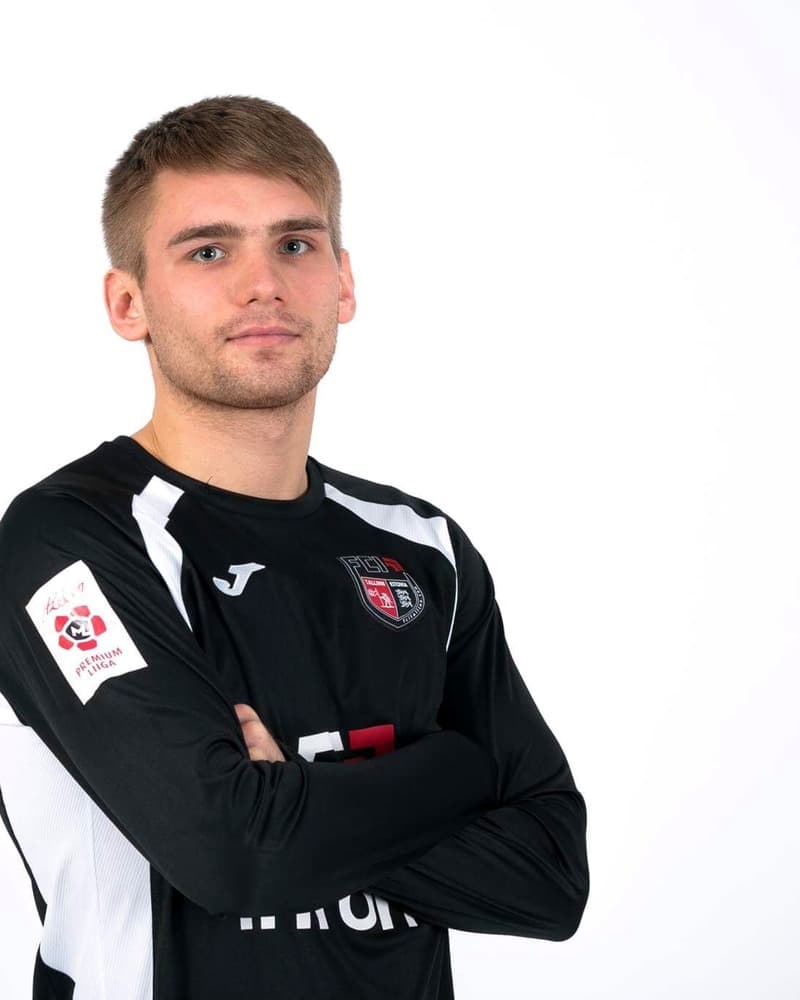
Pavel Domov
Individual football sessions.
Training is available in Russian, English and Estonian in Tallinn, Estonia.
Punane 45, Tallinn