01
Ball technique
First touch, dribbling, passing, shooting, the weaker foot, one- and two-touch play.
The goal is not only to perform a technical action without resistance, but to use it in the game — at speed, under pressure and with limited time.
Individual training
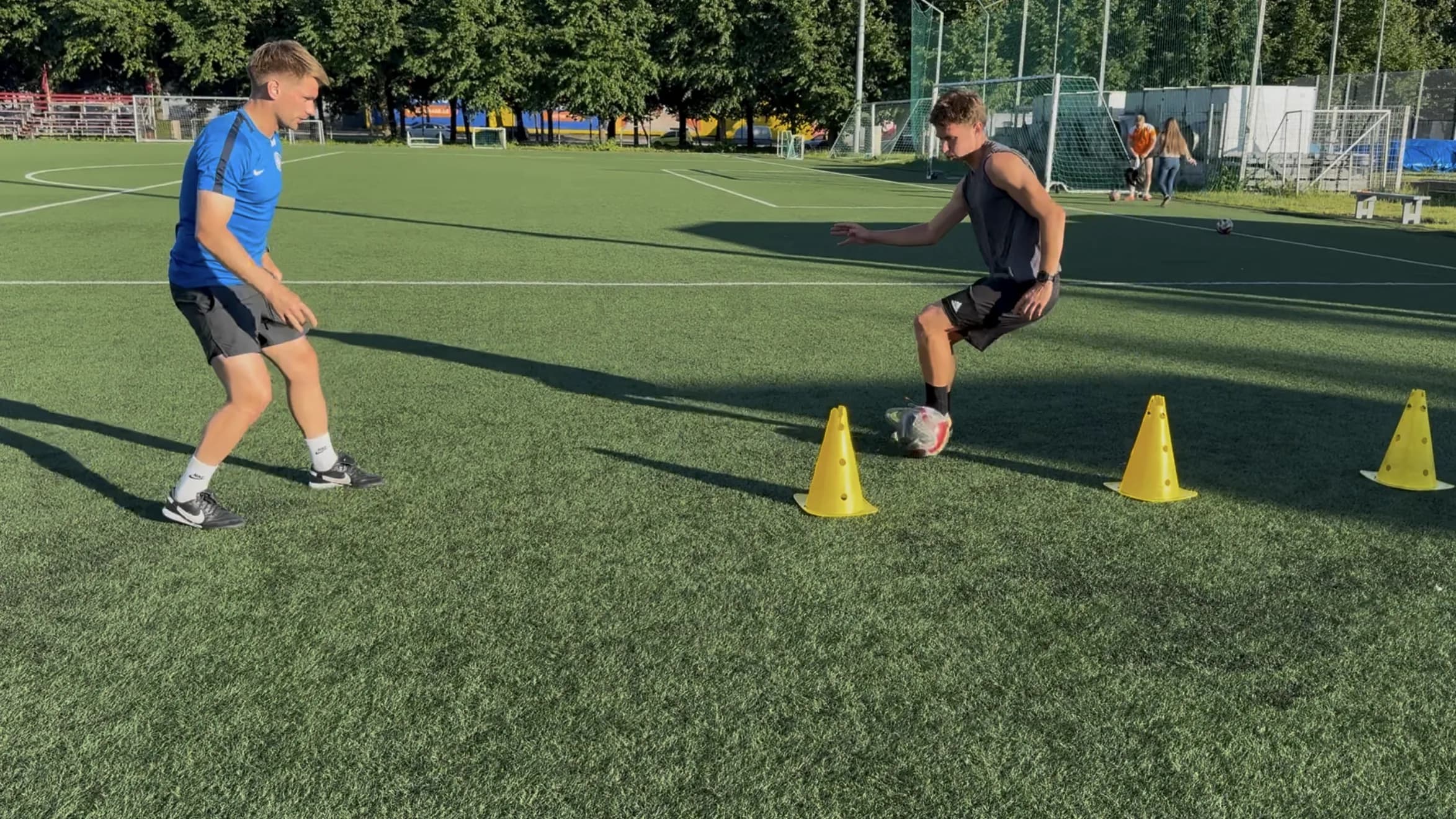
Individual football sessions are built around a specific player — their position, strengths and weaknesses, and the challenges they face right now.
Development directions
One player struggles with the first touch, another lacks confidence one-v-one, a third needs to decide faster under pressure. So the programme is not built around a fixed drill list — it is built around what that footballer actually needs.
01
First touch, dribbling, passing, shooting, the weaker foot, one- and two-touch play.
The goal is not only to perform a technical action without resistance, but to use it in the game — at speed, under pressure and with limited time.
02
Scanning, understanding space and choosing the next action.
The player learns to see the situation before receiving the ball. As they progress, drills get harder: less time and space, faster decisions.
03
Beating a defender, changing direction and tempo, protecting the ball and defensive 1v1s.
We work on the first movement, ball control, using the body and choosing the right moment to act.
04
Making runs, positioning, creating space and moving after the pass.
Most of a match is spent without the ball. Moving well helps the player receive it more often and arrive in better situations.
05
Shots after the first touch, dribbling and cut-backs, actions under defensive pressure.
We work not only on the strike itself, but on movement before receiving the ball and choosing the moment to finish.
06
First touch under press, shielding with the body and quick decisions.
The higher the level, the less time a player gets. Sessions gradually teach them to keep quality even in tight spaces.
07
Acceleration, deceleration, changing direction, balance and footwork.
These elements are linked to ball actions and real game situations — not isolated for their own sake.
08
More quality repetitions in situations where the player still feels unsure.
When an action becomes familiar in training, it is easier to use in a match instead of giving the ball away out of fear of mistakes.
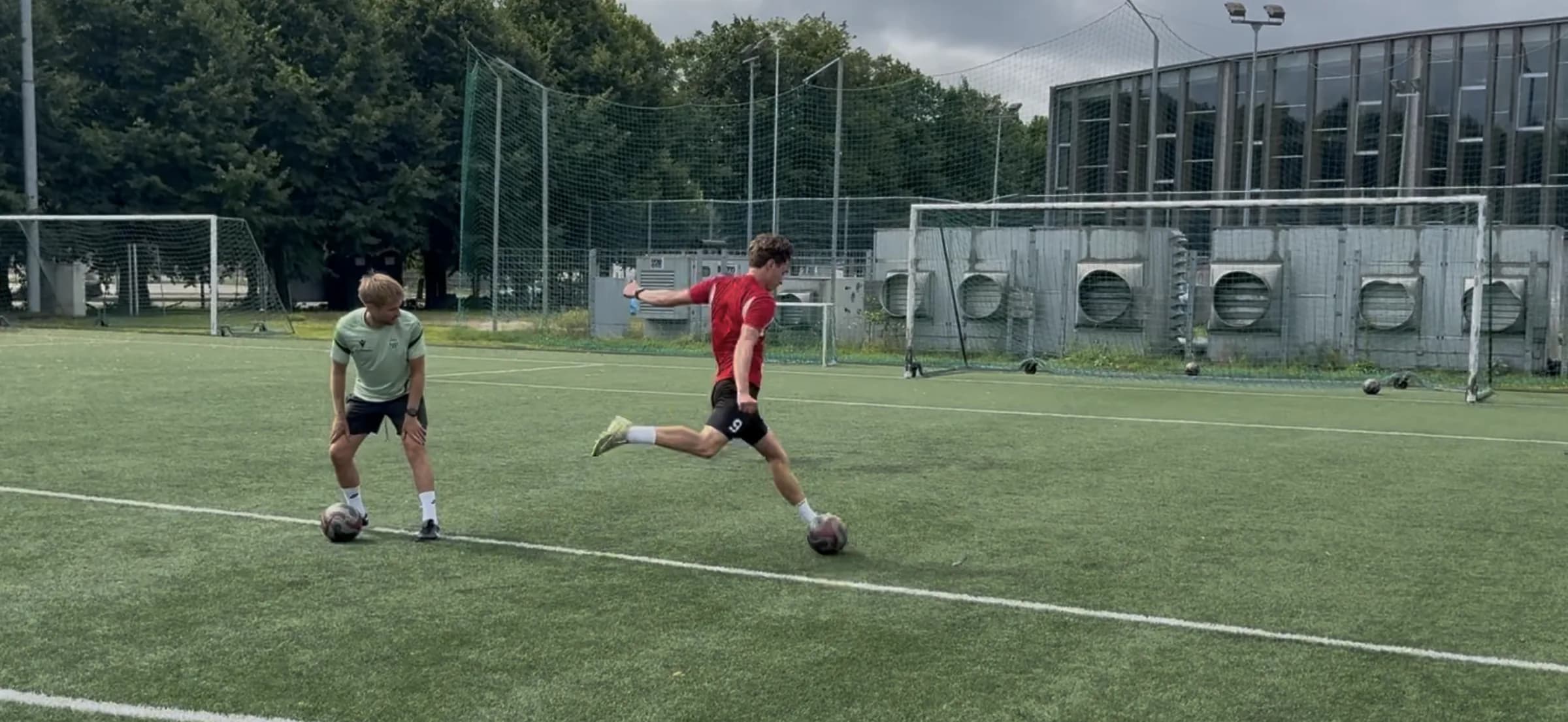
Technique only matters when a player can use it in the game.
Write to Pavel — briefly about the player and what you want to work on. In the first session we assess the level and decide where to start.
Position-specific work
A centre-back, a winger and a striker face different situations in a match. So part of the individual work is built around the player's position and the decisions they make most often.
Specific challenges
Individual sessions can be a steady part of a player's development — or help prepare for a specific situation.
A trial is limited time to show strengths in an unfamiliar team.
Beforehand we can sharpen position-critical qualities, address weaknesses and prepare for the intensity ahead.
It does not guarantee the outcome, but helps the player arrive better prepared.
After months without regular football, ball feel, coordination and confidence in game actions are often the first to suffer.
Individual sessions help rebuild those skills gradually before full team loads return.
After medical rehabilitation and clearance from a doctor or physiotherapist, individual training can help move from recovery to full football work.
We gradually bring back ball work, changes of direction, speed of actions and confidence in movement.
Moving to a new position needs not only new technical skills, but a different understanding of the game.
We can break down typical situations for the new role: where to move, how to receive, which zones to occupy and which decisions to make in different phases.
A new team, older age group or stronger league means less time and space to decide.
Individual work helps adapt technique and speed of play to those new demands.
Sometimes the task is very concrete: the weaker foot, first touch, playing with back to goal, finishing, one-v-one actions or losing the ball under pressure.
In that case a large part of the process can focus on that component — with far more quality repetitions than a normal team session allows.
Write to me and I’ll help you see how personal training can benefit your child.
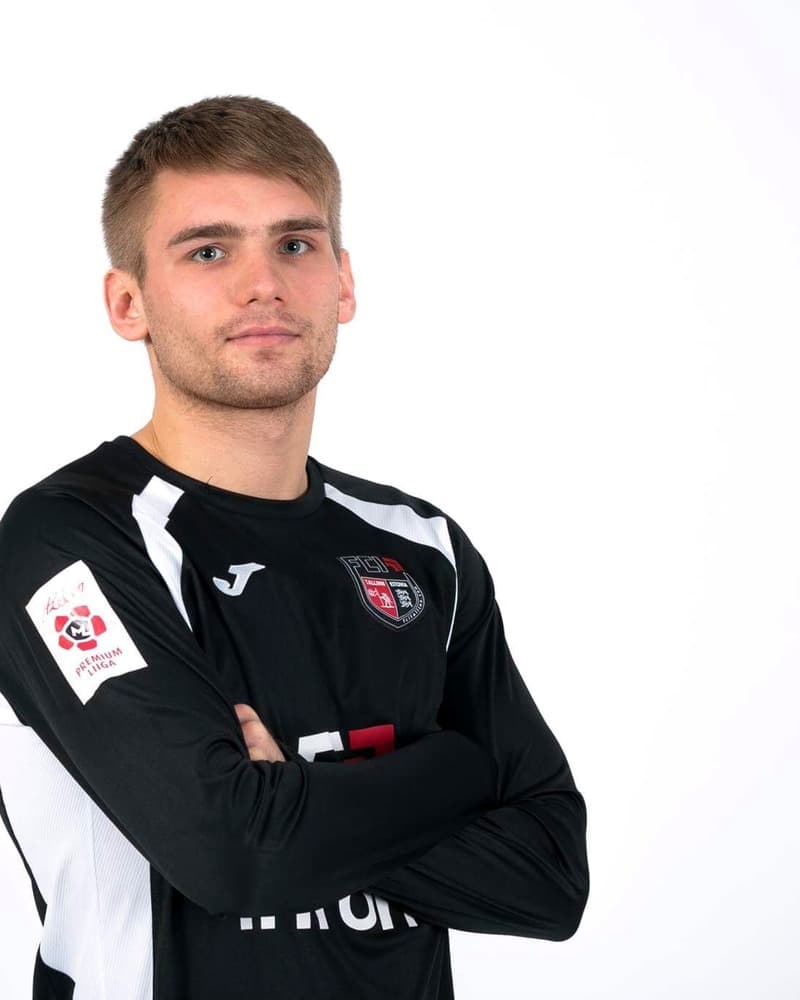
Pavel Domov
Individual football sessions.
Training is available in Russian, English and Estonian in Tallinn, Estonia.
Punane 45, Tallinn